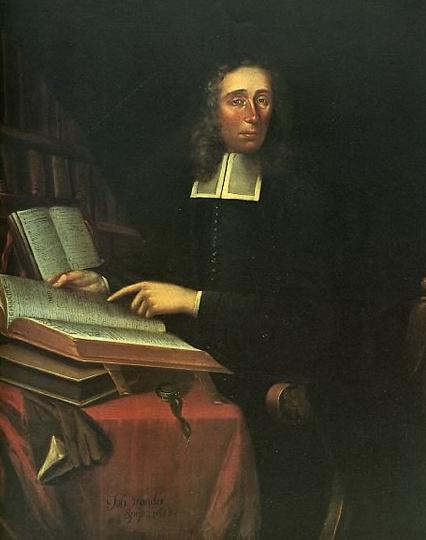

The Noyes-Parker House in Newbury, MA.
James Noyes (1608-1656) was a New England minister born in Wiltshire, England. Whereas the other catechisms reproduced on this site have been the product of Congregationalists, this production has the oddity of being a catechism produced by a Presbyterian in early Congregational New England.
Born in Wiltshire, James Noyes would be educated at Brasenose College, Oxford University, though he would not attain a degree. He would join his cousin Thomas Parker[1] as an assistant to the English Puritan and to-be delegate to the Westminster Assembly William Twisse in Newbury, England.
James Noyes and Thomas Parker, together with Nicholas Noyes and John Woodbridge and their respective families, would migrate in March of 1634 to New England. After initial settlement, they would take up permanent abode at Newbury, Massachussetts. Thomas Parker would be pastor of the gathered church there, while James Noyes would be the teacher.
They would go down in history as something like Presbyterian dissenters in New England, on account of their denial of several of the features of New England Congregationalism and hopes that New England would fall in line with the Westminster Assembly. A council would take place in 1643 at which the New England ministers determined in confirmation of Congregationalism, and presented the determinations to Noyes and Parker for their consideration. It seems as though, however, that this did not have the desired effect and they retained their opinions.[2]
For the rest of their lives, they ministered to the church and community, and assisted in the preparation of students for Harvard College. James Noyes would pass onto eternity in the year 1656.
James Noyes had several works published, including a work entitled The Temple Measured where he delineates his polity, which substantially agree with the Presbyterianism of the Westminster Assembly. Another was his work Moses and Aaron, or the rights of Church and State, in which he discusses the mutual relations of the civil and ecclesial jurisdictions. Lastly, and reproduced below, is his Short Catechism. His catechism covers terrain common to previous catechisms reproduced on this site, but where Noyes shines and excels is in his consideration of the law where he discusses more minutely the virtues and graces enjoined in the 1st and 5th-10th Commandments. Tolle lege!
[1] Son of the famed nonconformist Robert Parker (1564-1614).
[2] Walker, Williston, Creeds and Platforms of Congregationalism, 137-139.
__________________________________________________________
A SHORT CATECHISM
Composed By Mr. JAMES NOYES
Late Teacher of the Church of Christ
IN NEWBURY
For the use of the Children there.
CAMBRIDGE Printed by S. G. and M.J. 1661.
A SHORT CATECHISM
By way of Question and Answer.
Question I. How do the Scriptures prove themselves to be true?
Answer. By the holiness of the matter, by the majesty of the style, by the accomplishment of the prophecies, by the efficacy of their power on the hearts of men; besides the Holy Ghost bears witness, helping us to discern the truth of them.[1]
Q II. What is the sum of the scriptures?
A. A doctrine of a godly life.[2]
Q III. Wherein consists a godly life?
A. In the obedience of faith.[3]
Q IV. What is faith?
A. Faith is an effectual assent to the doctrine of the Scriptures, especially concerning the grace of God in Christ.[4]
Q V. What does the Scripture reveal concerning God?
A. His nature and his acts.
Q VI. What is revealed concerning his nature?
A. His essence and his persons.
Q VII. How is the essence of God made manifest?
A. By his names and attributes.
Q VIII. What are his attributes?
A. His independency, unity, immutability, eternity, infiniteness, omnipresence, omnipotence, wisdom, omniscience, holiness, blessedness, sovereignty, goodness, mercy, meekness, clemency, justice, and verity.
Q IX. How many persons are there in the godhead?
A. Three: Father, Son, and Holy Ghost; and every one of these is God, and yet there is but one God.[5]
Q X. How manifold are the acts of God?
A. Twofold: eternal and temporal.
Q XI. What are the eternal acts of God?
A. His decrees.
Q XII. How manifold are his decrees?
A. Twofold: general and particular.
Q XIII. What is the general decree of God?
A. An eternal act of God, whereby he did determine to make the world, and dispose of all things therein.
Q XIV. What are the particular decrees of God?
A. Election and reprobation.
Q XV. What is election?
A. An eternal act of God whereby he did determine to glorify himself in saving a certain number of persons through faith in Christ.[6]
Q XVI. What is reprobation?
A. An eternal act of God, whereby he did determine to glorify himself in condemning a certain number of persons for their sins.[7]
Q XVII. What are the temporal acts of God?
A. Creation, preservation, and government.
Q XVIII. How manifold is his government?
A. Twofold: general and special.
Q XIX. What is the general government?
A. A temporal act of God, whereby he does dispose of all creatures according to a general providence.[8]
Q XX. What is the special government of God?
A. A temporal act of God, whereby he does dispose of the reasonable creature according to a special covenant.[9]
Q XXI. How many covenants has God made with man?
A. Two: the covenant of the law, and the covenant of the gospel.
Q XXII. What is the covenant of the law?
A. A promise of life on perfect and personal obedience.[10]
Q XXIII. What is the covenant of the gospel?
A. A promise of life upon faith in Christ.[11]
Q XXIV. What is the occasion of the covenant of the gospel?
A. Adams sin.[12]
Q XXV. What is sin?
A. A breach of God’s law.[13]
Q XXVI. How many kinds of sin are there?
A. Two: original and actual.
Q XXVII. What is original sin?
A. A being contrary to God’s law.[14]
Q XXVIII. What is actual sin?
A. A doing contrary to God’s law.[15]
Q XXIX. What are the effects of sin?
A. Guilt and punishment.
Q XXX. What is guilt?
A. A liableness to punishment.[16]
Q XXXI. What is punishment?
A. An infliction of evil for sin; namely, death temporal and eternal.[17]
Q XXXII. How may we escape eternal death?
A. By the covenant of the gospel only.[18]
Q XXXIII. Can we not escape death by the covenant of the law?
A. No because we cannot perform the condition of it, which is perfect obedience: yea, by reason of the fall of Adam we cannot do any good thing.[19]
Q XXXIV. Can we perform the condition of the Covenant of the Gospel?
A. Yes: because God has showed us in his Scriptures, that he will help us through faith in Christ to perform the condition of it.[20]
Q XXXV. What is Christ?
A. The eternal Son of God, and both God and man.[21]
Q XXXVI. What are we to consider in Jesus Christ?
A. His Natures, his personal union, and his offices.
Q XXXVII. How many natures has Christ?
A. Two: the nature of God, and nature of man; otherwise called the divine nature, and human.
Q XXXVIII. What is the personal union of Christ?
A. The subsistence of the human nature in the second person of the deity.[22]
Q XXXIX. What are the offices of Christ?
A. His Mediatorship, Kingship, Priesthood, and Prophetship.
Q XL. What is the work of Christ’s office?
A. Redemption.
Q XLI. What is redemption?
A. A deliverance of the elect from sin and misery, by the price of Christ’s obedience.[23]
Q XLII. How manifold is Christ’s obedience?
A. Twofold: active and passive.
Q XLIII. What is his active obedience?
A. A doing the will of God.[24]
Q XLIV. What is his passive obedience?
A. His suffering the will of God, even to the death of the cross.[25]
Q XLV. What is the application of redemption?
A. A giving of the Spirit, in and with the graces of the Spirit.[26]
Q XLVI. What are the graces of the Spirit?
A. Vocation, justification, adoption, and glorification.
Q XLVII. What is vocation?
A. A grace of the Spirit, whereby God does give faith and repentance unto his elect ones.[27]
Q XLVIII. What is faith?
A. A sight of the grace of the gospel, whereby we come to cleave to God in Christ above all things for salvation. Or else a belief that God will pardon our sins in the way of repentance for Christ’s sake.[28]
Q XLIX. What is repentance?
A. An overcoming purpose to forsake sin, with sorrow for sin.[29]
Q L. What is justification?
A. A grace of the Spirit, whereby God does accept and pronounce all those that are called, to be just unto eternal life.[30]
Q LI. What is adoption?
A. A grace of the Spirit, whereby God does accept and pronounce all those that are called, to be his children, and heirs unto eternal life.[31]
Q LII. What is glorification?
A. A grace of the Spirit, whereby God does translate a man out of the misery of sin into blessedness.[32]
Q LIII. How is the application of redemption made known?
A. By the experiencing of the graces of the Spirit, and by the witness of the Spirit helping us to discern the truth of them.[33]
Q LIV. What is the subject of redemption?
A. The church.
Q LV. What are the means of applying redemption?
A. They are especially public ministry and private duties.[34]
Q LVI. What are the ministerial acts?
A. Preaching of the word, prayer, administration of the sacraments, and discipline.[35]
Q LVII. What is a sacrament?
A. A visible sign instituted by God for the confirmation of the covenant.
Q LVIII. How many sacraments are there?
A. Two: Baptism, and the Lords Supper.
Q LIX. What is the thing signifying in Baptism?
A. Water, and the washing with water.
Q LX. What is the thing signified?
A. The blood of Christ washing away our sins unto eternal life.[36]
Q LXI. What is the thing signified in the Lord’s Supper?
A. The bread and wine: the bread broken, the wine poured out, the giving and receiving of it.
Q LXII. What is the thing signified in the Lord’s Supper?
A. The body of Christ broken on the cross, his blood shed for our sins, offered to sinners in the way of believing, and received by faith, for assurance of eternal life.[37]
Q LXIII. What is discipline?
A. A correction of scandalous professors by church censures.[38]
Q LXIV. What is the season of attending the public ministry?
A. Especially on the first day of the week, or Lord’s Day.[39]
Q LXV. When is redemption consummated?
A. In the resurrection at the last judgement, at the second coming of Christ.[40]
Q LXVI. How many commandments are there?
A. Ten.
Q LXVII. Into how many tables are the commandments divided?
A. Into two tables.[41]
Q LXVIII. What does the first table contain?
A. Our duties towards God, or duties of religious worship, in the four first commandments.
Q LXIX. What does the second table contain?
A. Our duties towards the creature, in the six last.[42]
Q LXX. What is contained in the first commandment?
A. Natural worship, in faith, hope, love, fear, hearing the word, and prayer.
Q LXXI. What is hope?
A. A cleaving to God as our chief good for blessedness.[43]
Q LXXII. What is love?
A. A cleaving to God as the chief good and deserving all glory.[44]
Q LXXIII. What is fear?
A. An admiring and adoring of God’s holiness, and all his perfections.[45]
Q LXXIV. What is contained in the second commandment?
A. Instituted worship in ministry, sacraments and discipline.[46]
Q LXXV. What is contained in the third commandment?
A. A due manner of worship, in reverence, devotion and alacrity.[47]
Q LXXVI. What is contained in the fourth commandment?
A. The due time of worship, as all due seasons morning and evening, especially on the Lord’s Day.[48]
Q LXXVII. What is contained in the fifth commandment?
A. A due respect to the good name or dignity of our neighbor, in humility, gratitude and obedience.
Q LXXVIII. What is humility?
A. A grace which moderates the love of excellency.[49]
Q LXXIX. What is gratitude?
A. A grace which disposes us to recompence benefits.[50]
Q LXXX. What is obedience?
A. A grace which disposes us to honor all such as are in authority, by being subject.[51]
Q LXXXI. What is contained in the sixth commandment?
A. A due respect to the life of our neighbor, in goodness, mercy, meekness, and patience.
Q LXXXII. What is goodness?
A. A grace which disposes us to show kindness to all.[52]
Q LXXXIII. What is mercy?
A. A grace which disposes us to relieve all such as are in misery.[53]
Q LXXXIV. What is meekness?
A. A grace which moderates anger and revenge.[54]
Q LXXXV. What is patience?
A. A grace which moderates grief in affliction.[55]
Q LXXXVI. What is contained in the seventh commandment?
A. A due respect to the purity of our neighbor, in temperance, chastity, modesty, gravity.
Q LXXXVII. What is temperance?
A. A grace which moderates affection to all sensual pleasures.[56]
Q LXXXVIII. What is chastity?
A. A grace which regulates the lusts of the flesh.[57]
Q LXXXIX. What is modesty?
A. A grace which restrains us from wantonness.[58]
Q XC. What is gravity?
A. A grace which inclines us to purity.[59]
Q XCI. What is contained in the eighth commandment?
A. A due respect to the goods of our neighbor, in righteousness, liberality, and frugality.
Q XCII. What is righteousness?
A. A grace which inclines us to give all men their due.[60]
Q XCIII. What is liberality?
A. A grace which inclines us to communicate our goods freely to our neighbor.[61]
Q XCIV. What is frugality?
A. A grace which inclines us to be provident and diligent in our calling.[62]
Q XCV. What is contained in the ninth commandment?
A. A due respect to the innocence of our neighbor, in verity and fidelity.
Q XCVI. What is verity?
A. A grace which inclines us to speak the truth for our neighbor’s good.[63]
Q XCVII. What is fidelity?
A. A grace which inclines us to keep our promises.[64]
Q XCVIII. What is contained in the tenth commandment?
A. A due respect to the prosperity of our neighbor, in rejoicing in his prosperity, and accepting our own portion with contentment.[65]
Q XCIX. What is contentment?
A. A grace which inclines us to accept our own portion, whether good or evil, with thanksgiving.[66]
[1] John 7:46. John 14:29. 1 John 2:20.
[2] 2 Tim. 3:16-17.
[3] Rom. 16:26.
[4] Rom. 10:9. 1 John 5:1. John 17:2. Acts 8:37. John 6:40. 1 John 4:15. 1 John 3:6.
[5] 1 John 5:7. Matt. 28:19. 2 Cor. 13:14. John 1:1. Acts 5:3-4. 1 Cor. 8:6.
[6] Eph. 1:4-6.
[7] Rom. 9:23. 1 Pet. 2:8. Jude 4.
[8] Matt. 10:29-30. Acts 17:28.
[9] Jer. 31:31-32.
[10] Gal. 3:11-12.
[11] Mark 16:16.
[12] Rom. 5:17.
[13] 1 John 3:4.
[14] Eph. 4:22. Rom. 7:23.
[15] 1 John 3:4.
[16] Rom. 3:19, 23.
[17] Rom. 5:12. Rom. 6:23.
[18] Rom. 3:23-24.
[19] Heb. 12:20. Rom. 3:20. John 15:5.
[20] Jer. 31:33.
[21] John 1:14. Heb. 2:16. Isa. 9:6. Rom. 9:5.
[22] Phil. 2:6-8.
[23] Tit. 2:14.
[24] Rom. 8:4. Matt. 3:15.
[25] Isa. 53:12.
[26] Eph. 2:5-6. 1 Tim. 1:9.
[27] Rom. 8:30.
[28] Acts 2:38. Mark 1:15.
[29] Ps. 37:27. Zech. 12:10. Hos. 14:2-3.
[30] Rom. 8:30.
[31] Rom. 8:14-17.
[32] Rom. 8:30.
[33] 1 Thess. 1:4-7. Rom. 8:15.
[34] Rom. 10:13-15.
[35] Matt. 28:19. 1 Tim. 2:1. Matt. 18:17. Matt. 16:19.
[36] 1 Pet. 3:2. Rom. 6:4.
[37] 1 Cor. 11:23-26. John 6:5.
[38] Matt. 18:17.
[39] Acts 20:7. Matt. 24:20.
[40] Hos. 13:14. Isa. 63:34.
[41] Deut. 4:13. Matt. 22:37-38.
[42] Matt. 22:39-40. Rom. 13:9.
[43] Ps. 73:25. 1 Cor. 13:13.
[44] Deut. 6:5.
[45] Deut. 6:13. Heb. 12:28.
[46] Eph. 4:11-12. Matt. 28:19. 1 Cor. 11:23-24. Matt. 18:17.
[47] Heb. 12:28. Ps. 132:7. Ps. 110:3.
[48] Ps. 141:2. Ps. 55:17. Acts 20:7.
[49] 1 Pet. 5:5. Phil. 2:3. Rom. 12:10.
[50] 1 Sam. 30:26, 31. 2 Sam. 9:1.
[51] 1 Pet. 2:13.
[52] 1 Cor. 13:4.
[53] Luke 6:36.
[54] Num. 12:3. 1 Pet. 3:4.
[55] Luke 21:19. Col. 1:11.
[56] Tit. 3:3.
[57] 1 Thess. 4:3-5.
[58] 1 Tim. 2:5.
[59] 1 Pet. 3:2-3.
[60] Rom. 13:7. Mic. 6:8.
[61] Rom. 12:13.
[62] Prov. 31:27.
[63] Zech. 8:16.
[64] Ps. 15:4.
[65] Rom. 12:15.
[66] 1 Tim. 6:6. Heb. 13:5. Phil. 4:11.
 The Saybrook Platform